How to Choose a Dune Buggy for the Dubai Desert
Choosing a dune buggy for the Dubai desert is less about picking the boldest looking vehicle and more about matching the machine to the driver, the terrain and the kind of outing planned. A desert ride can feel very different from a short spin on firm ground. Soft sand, changing slopes, heat and limited visibility all affect how an off-road vehicle behaves. A careful choice makes the ride calmer and more predictable.
Start by deciding who will drive and who will ride along. The size and control layout of a dune buggy matter more than many people expect. A compact two-seat vehicle can feel responsive and easier to manage for a solo driver or a pair. A larger four-seat model may suit a family, but extra weight changes how the vehicle climbs, turns and stops on loose sand. If children or less experienced riders are involved, comfort and control should carry more weight than speed.
Match the vehicle to the driver
Be honest about experience before looking at power figures. Driving over a sand dune asks for smooth steering, gentle throttle input and patience. A powerful off-road vehicle can be forgiving in the hands of someone who understands traction, yet it can also magnify small mistakes. Newer drivers often do better with a machine that delivers power in a steady, manageable way rather than one built for sudden bursts.
Seating position is another practical point. The driver should be able to reach the steering wheel, pedals and controls without stretching or feeling cramped. Body support matters on uneven ground, because the vehicle shifts as it crosses ridges and dips. Check that passengers have enough space to sit with their feet planted and their arms clear of the roll structure. A ride that seems fine at a standstill can feel tiring after a long stretch of desert safari driving.
Decide what kind of ride you want
Different outings call for different setups. If the aim is a gentle introduction to the desert, a stable dune buggy with modest power and a relaxed pace is usually the better fit. For more active driving over rolling sand, look for a vehicle with strong low-speed control, responsive steering and suspension that absorbs bumps without throwing the driver off line.
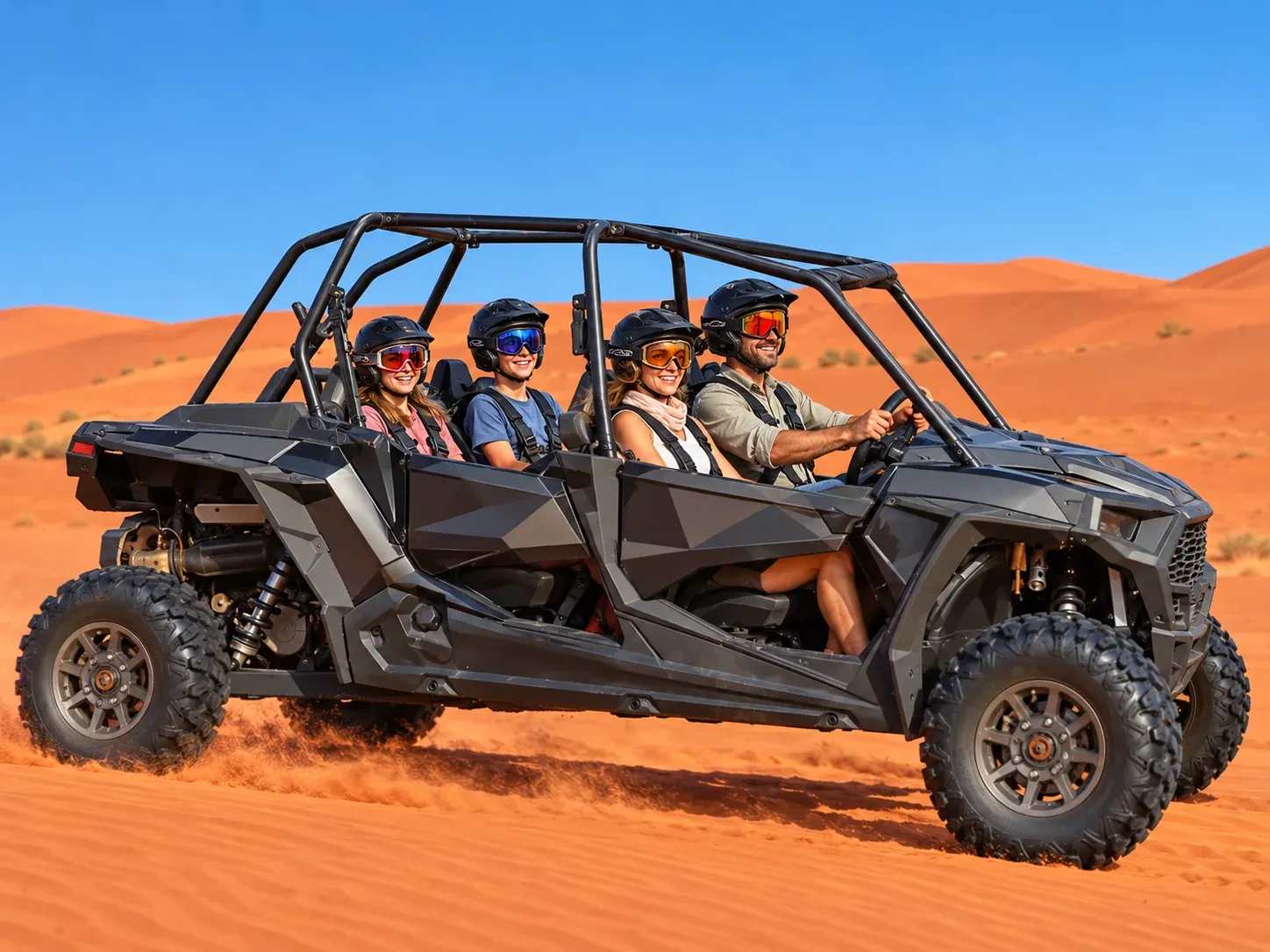
Group plans also change the choice. When several vehicles travel together, consistency is useful. A driver who stays with the pace of the group is easier to follow than one who keeps surging ahead and braking late. If the outing includes a guided tour, ask how the route is paced and what level of driving is expected. A route with long open stretches feels different from one with frequent stops, tight turns and photo breaks.
When comparing options for polaris dune buggy dubai, focus on the fit between the vehicle and the planned route rather than the name alone. A machine that suits open dunes may feel less useful on a short, slow ride, while a comfortable entry level buggy may be ideal for a first desert outing.
Check the safety setup before anything else
Safety gear is not a finishing touch. It is part of the decision. A suitable dune buggy should have working seat belts for every seat, a secure roll structure and clean, clear visibility from the driver's position. Wind protection and dust control can also matter, since sand can be kicked up by other vehicles. Check that doors or side restraints feel firm and that there are no sharp edges where hands or knees might rest.
Lights are worth attention if the ride may continue near dusk. The desert changes quickly as the sun drops, and low angles make dunes harder to read. Front lights, rear lights and any signal lights should be present, clearly mounted and covered against sand. Reflective markings can help other drivers judge distance when dust hangs in the air.
If a vehicle has visible damage, loose panels, worn straps or warning lights, treat those as reasons to pause and ask questions. Do not try to adjust or repair mechanical parts as a workaround. Brakes, steering components, electrical systems and sealed mechanical parts should be handled by a qualified professional. A simple walk around check is useful, but it should never replace proper servicing.
Look closely at tyres and suspension
Tyres are the main contact point with sand, so they deserve close attention. The right tyre pattern and pressure help the buggy float over soft ground instead of cutting into it. Overinflated tyres can make the ride skittish and reduce grip. Underinflated tyres can overheat or roll sideways under cornering. A qualified professional can advise on the correct pressure for the vehicle and conditions.

Look for even tread wear, clear sidewalls and no signs of cuts or bulges. Mismatched tyres can make handling uneven, especially when the surface changes from firm sand to a steep face. Suspension should sit evenly and should not appear sagged on one side. During a slow test on safe ground, listen for knocking sounds and notice whether the vehicle pulls to one side. Any persistent noise or pulling should be checked before the buggy is used on dunes.
Understand the controls and riding rules
Before committing to a vehicle, spend time with the controls while it is stationary. Identify the throttle, brake, gear selector, handbrake and any drive mode switches. A driver should understand what each control does without looking down for a long moment. Equal care is needed with passenger rules. Everyone should know how to sit, where to put their feet and when to keep hands inside the vehicle.
Following a guide is often the easiest way to learn local driving conditions. A good guide sets a steady pace, explains the route and watches the group rather than focusing only on the fastest driver. If a ride includes an all-terrain vehicle segment or mixed vehicles, keep the group spread out enough to avoid dust blindness and sudden close encounters.
Ask the right questions before booking
A clear conversation prevents most disappointments. Ask whether the buggy is intended for the route planned, what safety gear is supplied and how drivers are briefed. Find out whether the pace is relaxed or active, and whether the route includes steep dunes or mostly open desert tracks. If passengers will join, confirm seat capacity and age rules before arrival.
It is also sensible to ask how the vehicle is prepared between outings. Routine checks, tyre care and mechanical servicing should be handled by qualified professionals. The answer does not need to be technical, but it should be clear. Vague replies about maintenance or safety equipment are a sign to slow down and compare another option.
The phrase polaris dune buggy dubai can bring up several possible setups, so useful questions matter more than a quick choice. Ask what is included in the ride, what the driver is expected to do and what happens if conditions change. Weather, sand conditions and group size can all shape the final plan.

Make the final comparison
When the options are side by side, compare them in a practical order. First, confirm that every seat has a proper restraint and that the driver can reach the controls comfortably. Next, check the tyres, suspension and visibility. Then consider power, seating capacity and the pace of the route. Only after those points are settled should appearance or extra features influence the decision.
A good choice usually feels calm before the engine starts. The driver understands the controls, the passengers have space, the safety gear is obvious and the route fits the group. The desert rewards steady judgment. Pick the dune buggy that supports that approach, and the ride is far more likely to be enjoyed for the right reasons.
Ends · POLARISDUNEBUGGYDUBAIPRESS